
'Bossman’ and Chicken Shops
Appreciation to all the chicken shops that have kept me fed.

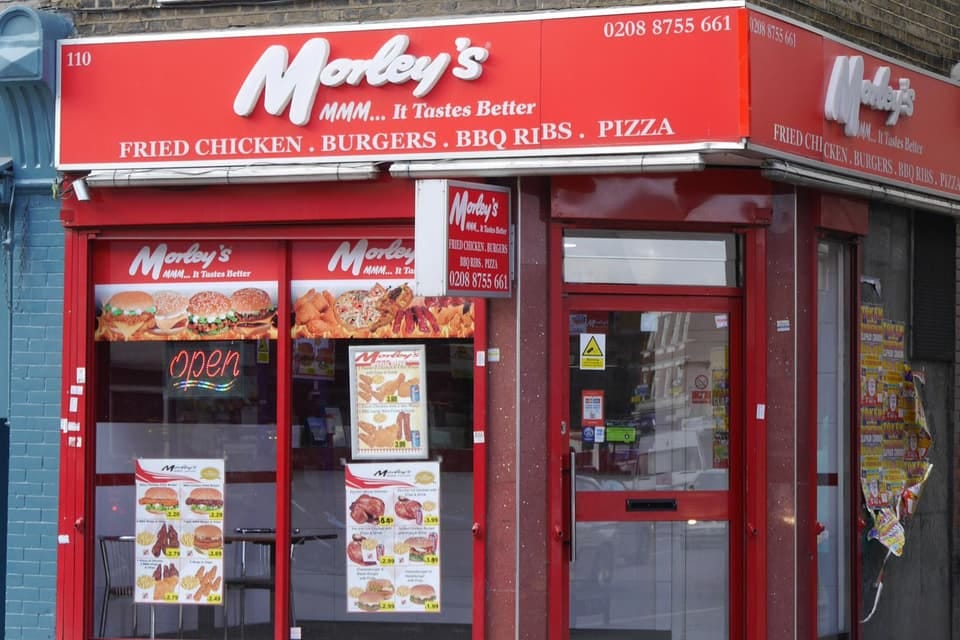
After school munch to late night meal, chicken shops have supported the hungry bellies all around the UK. The chicken and chips have kept London turning and churning over numerous decades. An additional deep thanks to Kebab restaurants and shops that have saved so many on a night out!
London’s fried chicken shops are more than just fast food, they are landmarks of local culture, rooted in immigration, survival, and social bonding. From the glistening golden drumsticks behind steamed-up glass counters to the neon signs that light up busy street corners, chicken shops have become emblematic of urban life in London. Their presence tells a story about the city’s economic shifts, migration patterns, and youth culture.
Migration and Entrepreneurship: Ethnic Communities that paved the way.
The rise of chicken shops in London can be traced back to the post-war period, particularly the 1960s and 70s, when waves of immigrants from the Caribbean, South Asia, and later Africa settled in the capital. Many arrived with desires to create and build lives for their communities. Opening food businesses became a viable way to make a living, especially in working-class neighbourhoods where fast, affordable meals were in demand.
The American fast-food boom also played a role. Chains like KFC established a foothold in the UK in the 1960s, introducing the model of deep-fried chicken as a commercial hit. Many small, independent chicken shops followed suit, replicating the Southern-style fried chicken but giving it a distinctly London twist. These were not faceless chains they were family-run shops, embedded in local communities. The contribution south Asian communities fuelling chicken chips should not go unnoticed and recognising the importance of middle eastern communities in making and maintaining staples like Kebab shops.
By the 1990s and early 2000s, chicken shops had exploded across London, especially in boroughs like Hackney, Lambeth, Newham, and Southwark. They were cheap, ubiquitous, and adaptable, offering halal options and custom “meal deals” tailored to local clientele. Whether branded as “Chicken Cottage,” “Morley’s,” or more uniquely named “Chicken Palace,” these establishments became a vital part of the urban foodscape.
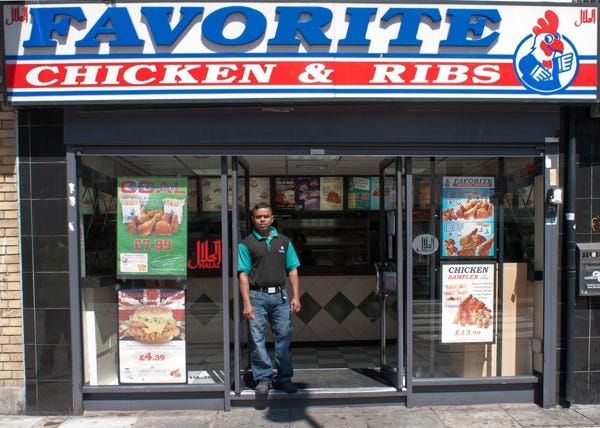
I miss the days of buying 2 wings and chips for £1.50, and yes it was suspiciously cheap!
The Culture of the Chicken Shop
For many Londoners like me, during your teenage years, chicken and chip shops were a way of meeting friends and socialising after school. A “two wings and chips” became a rite of passage for young people growing up in inner-city boroughs. The food is often secondary to the familiarity of the place itself.
This cultural significance has been captured in media, music, and art. British rappers like Stormzy and Dave have referenced chicken shops in their lyrics, framing them as symbols of authenticity and local pride. The ,YouTube series ‘Chicken Shop Date’ by Amelia Dimoldenberg turned the setting into a playful backdrop for interviews with UK rappers and celebrities, reflecting the chicken shop’s pop-cultural relevance.
Chicken shops also mirror wider conversations about race, class, and urban identity. Their prominence in working-class and ethnically diverse areas speaks volumes about who they serve and what they represent. They are symbols of resourcefulness in areas often underserved by public infrastructure and investment. However, they have also faced criticism and even demonisation, sometimes viewed by local councils as contributors to unhealthy diets or urban “decay.”
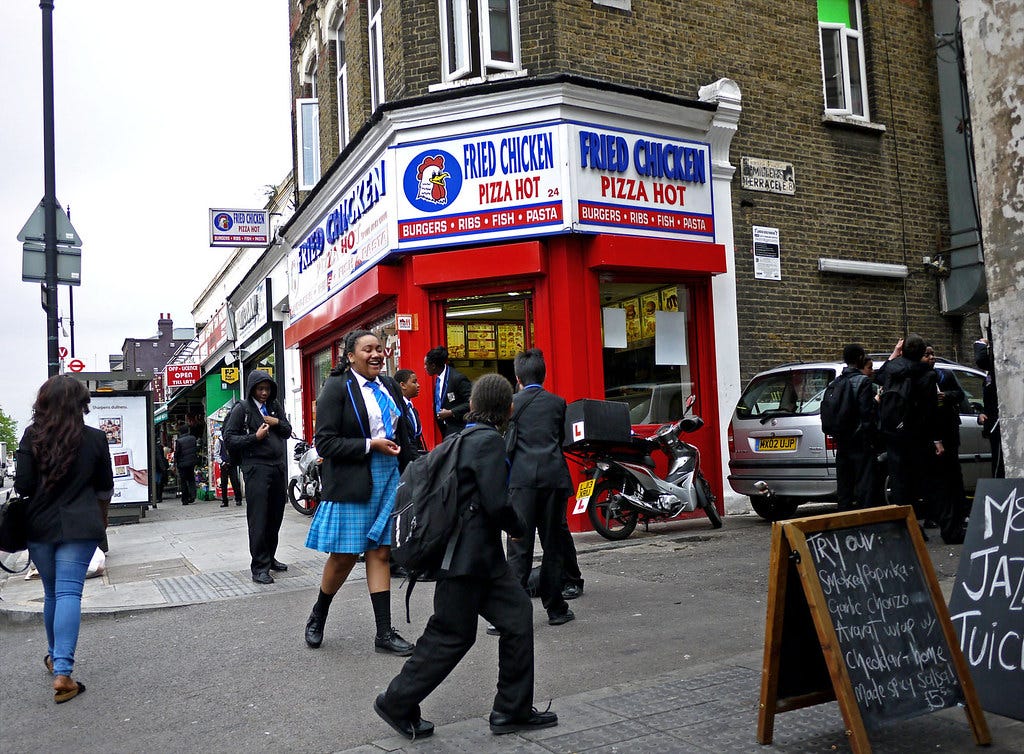
Gentrification Might Take our Chicken Shops.
While chicken shops are often taken for granted, their presence highlights deeper issues of community dynamics and economic inequality. Local councils have at times attempted to restrict new chicken shop openings, particularly near schools, as part of efforts to combat childhood obesity. This has led to debates about whether these policies unfairly target small businesses in minority communities while ignoring broader structural health issues.
At the same time, gentrification poses another threat. As formerly working-class areas like Brixton, Peckham, and Hackney attract wealthier residents, long-standing chicken shops are being replaced by upscale cafés and restaurants. What was once considered “cheap and cheerful” is now seen as out of place. This shift raises questions about who gets to shape the identity of a neighbourhood and which aspects of local culture are preserved or erased.
Interestingly, some chicken shops have leaned into this transition. Chains like Morley’s, long beloved in South London, have begun to open in more central and trendy locations, positioning themselves as both nostalgic and cool. Their branding, once straightforward and utilitarian, now sometimes carries a retro or ironic aesthetic, a nod to the cultural status they’ve achieved.
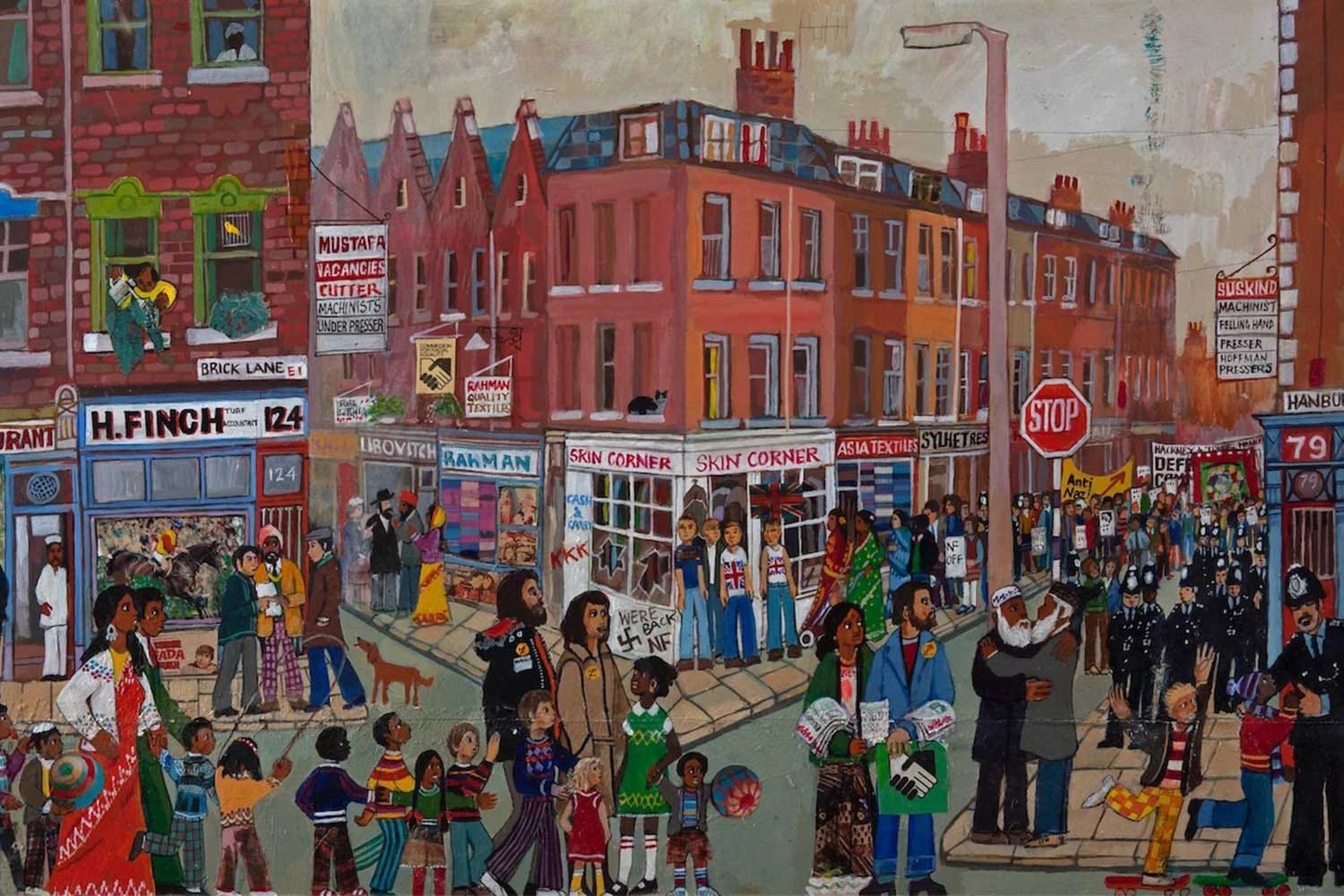
'Brick Lane' by artist Dan Jones, 1978 © Dan Jones, used in Save Brick Lane Campaign
More Than Just a Meal
What makes the chicken shop such a powerful cultural icon is its dual nature: it is both mundane and meaningful. On the surface, it’s a place for quick, greasy food. But beneath that, it is a site of memory, identity, and daily ritual. For immigrants, it’s often a story of economic survival. For young people, it’s part of growing up. For musicians and artists, it’s a symbol of place and community.
In the ever-changing urban landscape of London, chicken shops have proven remarkably resilient. They reflect the city's diversity, its challenges, and its capacity for reinvention. As debates about food, health, and urban identity continue, the humble chicken shop remains perched on the frontline, feeding London in more ways than one.